
Weekly E-Commerce Industry Insights: Key Developments and Trends (Week of September 1, 2025)
The dynamic landscape of e-commerce continues to evolve at a rapid pace, driven by technological innovations, regulatory shifts, and shifting consumer behaviors. As an industry observer and curator of the Shopifreaks E-Commerce Newsletter, I am pleased to share this comprehensive overview of the most significant developments from the past week. This compilation aims to inform, analyze, and highlight emerging patterns shaping the future of online retail.
Consumer Payment Preferences Shift Toward Digital Wallets
A recent PYMNTS Intelligence report reveals that 16% of consumers utilized digital wallets for their last online purchase—double the rate observed in physical retail environments. Meanwhile, traditional payment methods remain prevalent in brick-and-mortar stores, with 42% of shoppers paying via debit cards and 38% using credit cards. This data underscores the increasing consumer trust and convenience associated with digital payment solutions in the e-commerce realm.
Regulatory Changes Affect Cross-Border E-Commerce and Supply Chains
On August 29, the United States implemented the termination of the longstanding “de minimis” exemption for international shipments. Previously, items valued under $800 could be imported duty-free, facilitating a smoother flow of small parcels, especially from Chinese sources. With the exemption now closed to imports from the rest of the world, several countries—including European nations, Australia, India, Japan, South Korea, Taiwan, Thailand, New Zealand, and Mexico—paused or suspended U.S.-bound shipments amidst uncertainty about tariffs and customs procedures. This shift has led to order cancellations and refunds for many U.S. consumers, reflecting the logistical complexities introduced by the policy change.
Legal Perspectives on International Trade Policies
A landmark decision by a federal appeals court in Washington, D.C., challenged the legality of tariffs imposed unilaterally by former President Donald Trump. The court ruled that such tariffs exceeded presidential authority, citing their expansive scope and duration. This ruling could prompt further judicial review at the highest levels, potentially redefining the limits of executive power in trade policy—a development with broad implications for global commerce and e-commerce import/export strategies.
Advancements in E-Commerce Fulfillment and Logistics
Shopify announced a significant upgrade to its native fulfillment platform, integrating partnerships with major carriers like DHL, USPS, UPS, FedEx, Canada Post, Royal Mail, and Australia Post. The enhancements enable merchants to process bulk orders of up to 250 simultaneously, automate customs documentation, and access built-in insurance, address validation, and fraud prevention tools directly from the admin dashboard. These improvements aim to position Shopify’s fulfillment system as a competitive advantage, transforming shipping from a logistical necessity into a strategic growth driver.
Artificial Intelligence Innovations in Visual Content
Google introduced Gemini 2.5 Flash Image, colloquially dubbed “Nano Banana,” a cutting-edge image editing model designed to ensure visual consistency across edits. The tool allows users to modify clothing, backgrounds, and fuse images seamlessly, with the added novelty of generating images featuring individuals alongside celebrities. This technology holds considerable potential for marketing, influencer content creation, and personalized visuals, albeit raising questions about authenticity and ethical use.
E-Commerce Advertising and Market Dynamics
Amazon’s renewed investment in Google Shopping ads across international markets suggests ongoing experimentation with its advertising channels. After a brief pause, the platform’s return hints at a strategic testing phase, with industry observers awaiting the U.S. market response. Meanwhile, The Trade Desk, a prominent demand-side platform, saw a 40% decline in stock value amid increased competition from Amazon. CEO Jeff Green maintains that the company’s focus on open internet advertising—without proprietary media—remains its core advantage. However, industry analysts question whether owned media assets might offer a more sustainable competitive edge.
Google’s Ongoing Efforts to Reshape Ad Tech
In anticipation of potential antitrust actions, Google is proactively adapting its ad management platform. The company is engaging ad agencies and developing direct-buy tools to bolster its independence should regulatory mandates force a breakup. The focus on interoperability and increased support for streaming and app integration reflects Google’s strategic response to legal pressures and market shifts.
Retail Strategies and Corporate Leadership
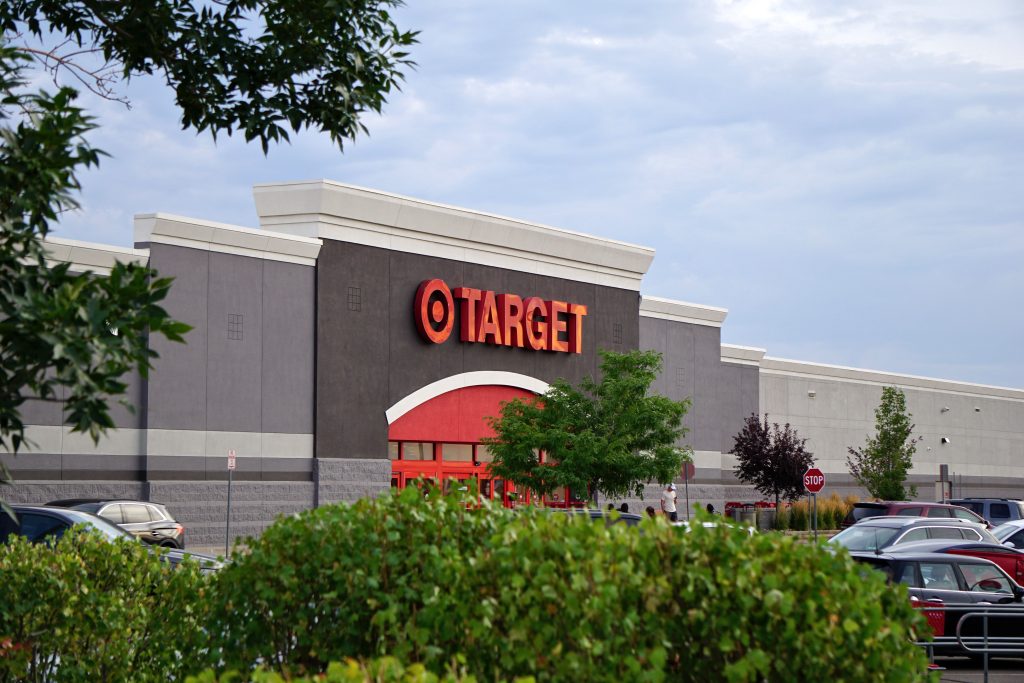
Target’s new CEO, Michael Fiddelke, outlined three strategic priorities: reaffirming the company’s unique merchandising identity, enhancing the in-store customer experience—ensuring product availability and superior service—and leveraging AI to optimize operations. However, discussions around broader factors such as diversity, equity, and inclusion (DEI) suggest that some leaders may be hesitant to address these issues publicly, despite their potential impact on consumer loyalty and corporate reputation.
Emerging Trends in Retail Categories
Target is experiencing a surge in trading card sales, projected to reach $1 billion this year, driven by popularity in Pokémon, Magic: The Gathering, and One Piece. This pivot toward collectibles echoes earlier shifts seen at companies like GameStop, raising questions about the longevity of such trends as strategic business models.
Walmart continues to innovate with AI-enhanced marketplace tools, offering incentives such as reduced referral fees, inventory support, and brand protection features, aiming to empower sellers and expand its digital marketplace footprint.
Ebay’s Affiliate and Promotion Strategies
The company launched its Ambassador affiliate program in the U.S., offering commissions up to 7.5% for promoting select listings via curated storefronts and social platforms. However, recent issues include unresolved promised coupons and concerns over fee structures—highlighting ongoing challenges in aligning incentives for both sellers and affiliates.
Platform Sustainability and Content Moderation Challenges
Shopify’s recent acquisition of Molly Studio exemplifies efforts to accelerate product design and innovation, aiming to infuse AI-powered creativity into its offerings. Conversely, social platforms like TikTok face complex issues related to content moderation and political stability, such as suspending live features during violent protests in Indonesia—a stark reminder of how digital platforms can be affected by real-world events.
Emerging Security and Ethical Concerns
Google announced plans to restrict sideloading of unverified Android apps, citing malware risks but also raising considerations about access and developer authenticity. Meanwhile, reports of AI-generated fake Holocaust images proliferating on Facebook highlight ongoing challenges related to misinformation and the monetization of harmful content.
Controversies and Legal Battles
Elon Musk’s legal entanglements include lawsuits alleging unfair competitive practices and disclosures related to his ownership stake in Twitter and interactions with AI companies. These disputes underscore the intersection of high-profile leadership, regulation, and technological development.
Conclusion
The e-commerce industry remains in a state of rapid transformation, characterized by technological innovation, regulatory adjustments, and shifting consumer behavior. Staying informed about these developments is vital for industry participants aiming to adapt and thrive in an increasingly complex environment. I look forward to bringing you more insights in next week’s update.
— [Your Name], Industry Analyst and E-Commerce Observer
If you have notable updates or insights, please share in the comments.